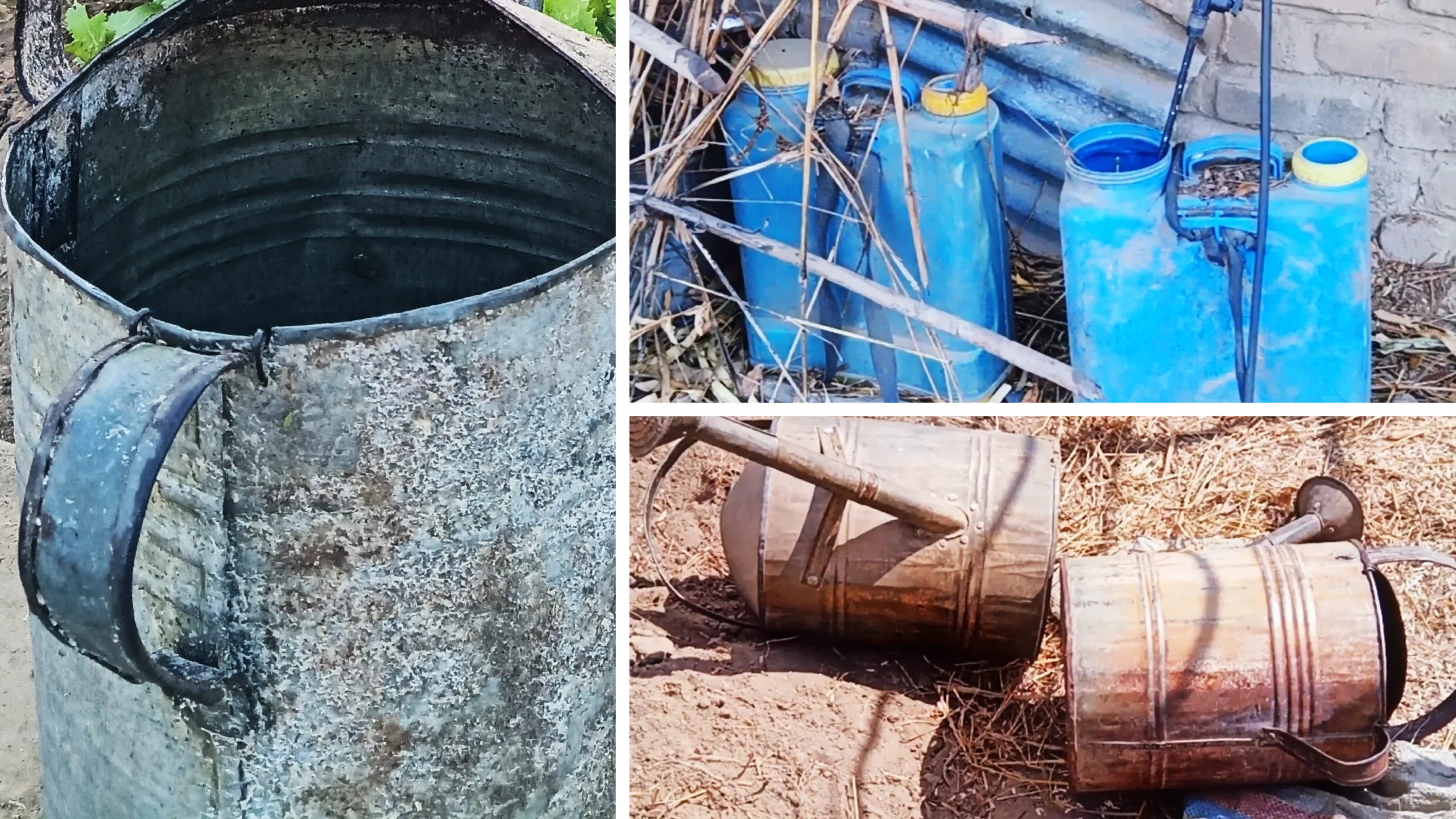
The same thing happens on farms across Malawi every year.
The harvest is sold. Money is in hand. Then comes the spending: food, school fees, debts, and household needs. A few months later, when nursery preparations begin, a farmer reaches for the watering cans and finds rust, leaking seams, and handles that snap on first use.
The tools they needed most are the tools they forgot to fix when they still had the money.
This is not carelessness. It is a trap that catches even experienced farmers, and understanding it is the first step to breaking out of it.
How Tools Get Damaged Without Anyone Noticing
During the tobacco nursery period, a watering can works hard. It may be used twice a day, every day, for months, carrying water to seedbeds that need consistent moisture to produce healthy transplants.
When the rains come and transplanting begins, the tools go quiet. That is when the damage starts.
Watering cans end up in the kitchen, used for storing water. Hoes lean against outside walls through rain and sunshine. Sprayers sit for months without being cleaned, while their rubber seals slowly harden.
By the time a farmer remembers these tools exist, they have been sitting in conditions that metal, rubber, and wood are not designed to survive for long.
The damage is rarely dramatic. Rust at the joints. Cracks along the seams. Blocked nozzle holes. A loose handle. It does not look serious until you actually need the tool to work.
Why the Start of the Season Is the Worst Time to Deal With This
When tools fail at the start of a season, two things happen at once: you need them urgently, and you have little money left.
The harvest income was spent months ago on more immediate needs. Now a farmer who could have repaired a watering can cheaply after harvest is buying a replacement at the start of the season, often at a higher price, often with limited options, and always in a hurry.
Late buying is almost always more expensive than planned buying. In farming, where the window to prepare a nursery or plant on time is short, a broken tool does not just cost money. It can cost valuable time when every day matters.
The Right Time to Act Is Right After Harvest
For a few weeks after every harvest, most smallholder farmers have cash available and the next season still feels comfortably far away. This is the window. Most farmers let it pass without addressing their equipment.
There are three things worth doing during that period.
Inspect
Walk through your farm and homestead and look at your tools. Check watering cans for rust and leaks. Check hoe handles for cracks. Check your sprayer, including the seals, nozzle, filter, and hose.
Write down what needs attention. This takes less than an hour.
Repair
A loose handle, a leaking can, or a blocked nozzle may seem like a small problem, but small problems grow bigger with time.
A local tinsmith can reseal a metal watering can. A carpenter can fit a new handle. Small repairs done now cost far less than replacements bought in a hurry later.
Replace What Cannot Be Saved
Some tools are beyond repair.
Buy replacements while you still have time to compare options and budget properly. Waiting until the season starts often means paying more and settling for whatever is available.
Simple Habits That Make Tools Last Longer
Most tool damage is preventable.
Store Tools Under Cover
Rain and sunshine are the main enemies of metal, rubber, and wood.
A storeroom, shed, or even a protected corner of a building can make a big difference. Tools left outside deteriorate much faster than tools kept dry.
Keep Farm Tools for Farm Use
Using a nursery watering can for household water storage is common and understandable. However, it shortens the life of the equipment.
If possible, keep separate containers for household use and reserve farm equipment for farm work.
Oil Metal Parts Before Storage
Wiping hoe blades, ridger points, and other metal parts with a small amount of used cooking oil before storage helps slow rust.
It only takes a few minutes and can significantly extend the life of your tools.
Clean Sprayers Before Storage
Chemical residue left in a sprayer can damage seals and block nozzles.
Rinse the tank thoroughly, pump clean water through the nozzle, clean the filter, and store the sprayer empty.
A clean sprayer is far more likely to work properly when you need it next season.
Your Tools Make Farming Possible
A farmer who reaches for a broken watering can at nursery time does not just lose a tool. They lose time.
In farming, losing time at the start of the season can affect everything that follows.
Think of your tools the same way you think about any valuable item that helps you earn a living. They are worth protecting because replacing them costs money and losing them at the wrong moment creates unnecessary problems.
Farmers who inspect, clean, and store their equipment properly after each season are usually the same farmers who start the next season prepared.
Mistakes Worth Avoiding
- Using farm tools for household purposes without checking their condition before the next season
- Waiting until nursery time to discover that equipment is broken
- Ignoring small damage that becomes worse during storage
- Treating tool maintenance as optional rather than part of normal farm management
Key Takeaways
- Inspect all tools within two weeks of selling your harvest
- Repair small problems before they become expensive replacements
- Store equipment under cover, away from rain and direct sunlight
- Wipe metal parts with oil before long-term storage to slow rust
- Clean sprayers thoroughly before putting them away
- Keep farm tools for farm use whenever possible
Conclusion
The period immediately after harvest is short. Money is available, the next season feels distant, and it is easy to focus on other priorities.
Yet a small amount spent on tool maintenance during that period can save money, reduce stress, and help ensure a smoother start to the next season.
The tools that prepare your nursery, cultivate your land, and protect your crops deserve attention long before they fail.
Fix them when you can, not when you must.
Frequently Asked Questions
When should farmers repair farm tools?
Immediately after harvest when funds are available and before the next season begins.
How should watering cans be stored?
Store them under cover, away from rain and direct sunlight.
Why do farm tools rust quickly?
Moisture, rain, and poor storage conditions accelerate rust and damage.